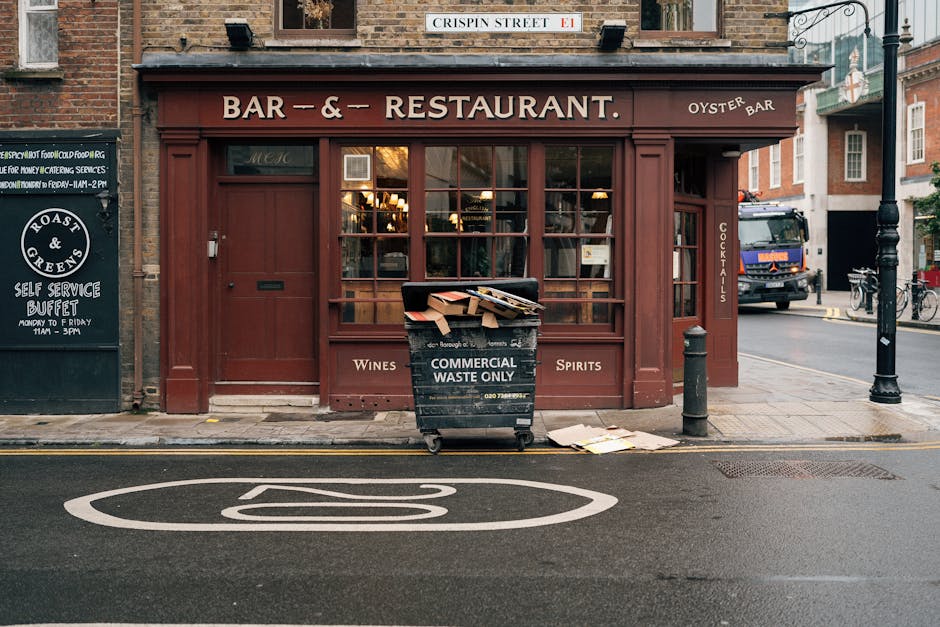
Deptford Broadway rubbish pickup tips for flats and shops
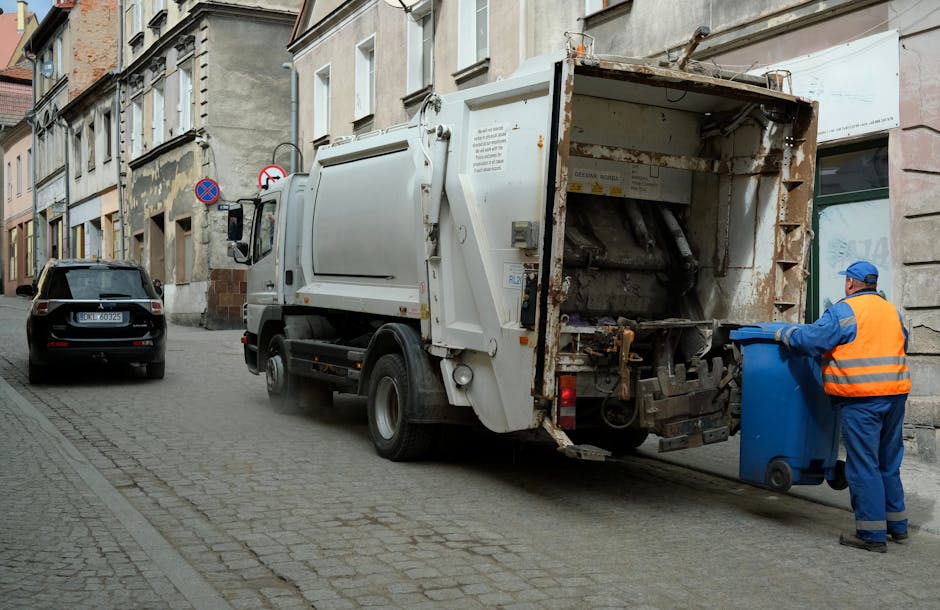
If you live above a parade of shops, manage a small business, or help look after a block of flats on Deptford Broadway, rubbish can become one of those low-level headaches that never quite leaves. Bags pile up near the bin store. A delivery arrives late. A shop refit leaves cardboard everywhere. One missed collection and suddenly the pavement looks tired, smells worse, and everyone is annoyed.
This guide gives practical Deptford Broadway rubbish pickup tips for flats and shops that actually help in day-to-day life. You'll find a clear explanation of how pickups usually work, what to do before a collection, how to avoid common problems, and how to choose the right kind of waste service for mixed-use buildings. It's written for real places, real access issues, and real London schedules - not some neat ideal world that never exists on a busy high street.
Whether you are dealing with shared bins, bulky waste, trade rubbish, or a one-off clear-out, the goal is simple: keep waste moving smoothly, keep entrances clear, and make collection day less chaotic. Sounds basic. In practice, a few small habits make a huge difference.
Why Deptford Broadway rubbish pickup tips for flats and shops Matters
Deptford Broadway is the kind of place where waste issues show up fast. There's foot traffic, narrow pavement space in places, mixed residential and commercial use, and not much patience for clutter. A few bin bags left in the wrong spot can block a doorway, attract seagulls and foxes, or just make a business front look neglected. And let's face it, customers do notice.
For flats, the biggest problem is usually shared responsibility. One household forgets collection day. Another leaves boxes beside the bins "just for now". Then the whole bin area becomes untidy. For shops, the issue is often volume and timing: packaging from deliveries, food waste, old display units, damaged stock, and the awkward question of where everything should go before the lorry arrives.
Good rubbish pickup habits matter because they reduce friction. Residents argue less. Staff spend less time dragging bags outside. Visitors get a better first impression. And, very importantly, collections are less likely to be delayed by access problems or badly sorted waste.
If you're already looking at a bigger clear-out, it can help to link the pickup plan with a broader service such as rubbish clearance or waste collection, especially when the waste is too much for ordinary bin service. For flats in particular, a planned approach can save everyone a lot of lifting and a lot of awkward stairwell trips.
Table of Contents
- Why Deptford Broadway rubbish pickup tips for flats and shops Matters
- How Deptford Broadway rubbish pickup tips for flats and shops Works
- Key Benefits and Practical Advantages
- Who This Is For and When It Makes Sense
- Step-by-Step Guidance
- Expert Tips for Better Results
- Common Mistakes to Avoid
- Tools, Resources and Recommendations
- Law, Compliance, Standards, or Best Practice
- Options, Methods, or Comparison Table
- Case Study or Real-World Example
- Practical Checklist
- Conclusion
- Frequently Asked Questions
How Deptford Broadway rubbish pickup tips for flats and shops Works
Most rubbish pickup problems come down to three things: what you have, where it is stored, and when it can be removed. That sounds simple, but mixed properties make it more complicated. A flat above a shop may have household waste, cardboard from deliveries, broken furniture, and trade waste all on the same site. If each stream is handled differently, the pickup needs a bit of organisation.
For flats, pickup usually involves shared bin stores, agreed collection days, and a decision on whether bulky items should be taken away separately. For shops, there may be regular business waste pickups, ad hoc disposal after deliveries, or occasional clearance after refits or stock changes. If you need a more regular service for ongoing commercial waste, business waste is usually the most relevant route to explore.
In practice, a successful pickup usually follows a pattern:
- Waste is separated by type where possible.
- Items are bagged, boxed, or bundled so they can be lifted safely.
- Access paths are kept clear for the collector.
- Large or awkward items are identified in advance.
- The pickup time is matched to building access and opening hours.
That last point is the one people underestimate. A collection booked for mid-morning can still fail if the back gate is locked, a shutter is down, or residents are asleep and nobody has the key. Tiny issue, big delay.
For bulky household items inside flats, a specialist service such as flat clearance may be a better fit than trying to manage everything as ordinary rubbish. Likewise, if what you are shifting includes chairs, desks, stockroom shelving, or a tired reception sofa, furniture disposal can be more efficient than leaving it to chance.
Key Benefits and Practical Advantages
Getting rubbish pickup right is not just about tidiness. It changes how the whole building feels and functions. A smooth system brings a few very real benefits.
- Cleaner entrances and shared spaces. People are far less likely to dump waste beside a neat bin store than beside one already overflowing.
- Fewer pest issues. Loose packaging and food waste are open invitations to rats, gulls, and the usual urban opportunists.
- Less disruption to residents and customers. Good timing means fewer complaints and less noise in busy periods.
- Safer movement through the building. Clear walkways reduce trips, blocked fire routes, and the awkward shuffle around random boxes.
- Better presentation. This matters more than many people admit. A tidy frontage makes a business look cared for and helps flats feel properly managed.
There is also a quiet financial benefit. Waste builds up in ways that waste time: staff tidying the same mess, residents phoning the managing agent, or the shop owner making repeated emergency trips to shift cardboard. A little structure often costs less than repeated panic.
If your waste is spread across several parts of a property, you may also want to look at broader options such as waste removal or waste clearance. Those services can be especially useful after a refurbishment, a tenancy change, or a stock overhaul.
Expert summary: The best rubbish pickup plan for Deptford Broadway is usually the one that matches real access, realistic volumes, and the rhythm of the building. Simple, yes. But not always easy. The trick is to organise waste before it starts organising you.
Who This Is For and When It Makes Sense
This guide is for anyone responsible for waste in a mixed or busy property near Deptford Broadway. That includes landlords, managing agents, shop managers, flat owners, residents' associations, and small independent businesses. If you are the person everyone messages when the bin store is full, you are probably the one who needs this most.
It makes sense to tighten up your pickup routine when any of these apply:
- Bins are filling too quickly between scheduled collections.
- Cardboard or packaging is regularly left on the pavement.
- Tenants or staff are unsure what goes where.
- Bulky items are appearing without warning.
- There are complaints about smell, mess, or blocked access.
- You have had a missed or partially completed collection before.
For a shop, the pressure points are often delivery days, stock turnover, and disposal of displays or fittings. For flats, it is usually move-outs, communal bin misuse, and lack of space in the storage area. Some buildings have both, which is where things can get messy very quickly. A bit of forward planning avoids the "where on earth do we put this until Friday?" conversation.
In mixed buildings, it may also help to line up a more structured service from rubbish collection if the goal is a regular, predictable pickup rather than an occasional clear-out.
Step-by-Step Guidance
Here is a practical way to handle rubbish pickup on Deptford Broadway without overcomplicating it.
1. Identify the waste stream first
Start by asking what kind of waste you actually have. Household rubbish is one thing. Cardboard is another. Furniture, shop fittings, broken stock, and refurbishment debris all need different handling. Do not mix everything into one vague pile and hope for the best. That usually ends in delays.
2. Decide what can be bagged, boxed, or bundled
Small rubbish should be contained neatly. Boxes should be flattened if possible. Loose items should be tied or taped so they do not scatter in the wind. If you've ever watched a bit of polystyrene escape down the street on a breezy afternoon, you know why this matters.
3. Check access routes in advance
Look at gates, side passages, stairwells, door codes, shutters, and parking restrictions. Then think about the collection vehicle too. Is there a legal and practical place to stop? Can waste be carried safely from the building to the pickup point? This is where a quick five-minute walk-through saves a lot of faff later.
4. Match timing to the building
A shop may need pickup before opening or after closing. A flat block may need it between school runs, commuting peaks, or quieter daytime periods. Try to avoid times when people are carrying prams, groceries, or stock. It sounds obvious, but somehow the awkward overlap keeps happening.
5. Separate bulky items from routine rubbish
Furniture, mattresses, broken shelves, and sofas should not be left to sit with general waste. They take up space, slow everything down, and often need a different removal approach. A dedicated service like sofa removal can be much more practical than trying to wrestle a three-seat sofa through a narrow stairwell on a busy evening.
6. Confirm who is responsible for what
In flats, make sure residents know where their waste goes and who reports overflow issues. In shops, staff should know whether they can leave waste beside the bin store, whether cardboard must be flattened, and what items are not accepted. Clear responsibility prevents the classic "I thought someone else was handling it" problem.
7. Review after the pickup
Once the collection is done, take two minutes to see what worked and what did not. Was access smooth? Did the waste sort correctly? Was there a pile left behind? That tiny review loop is one of the easiest ways to improve the next collection.
Expert Tips for Better Results
To be fair, most rubbish problems are not caused by one huge mistake. They come from several little ones stacking up. These are the habits that usually make the biggest difference.
- Use clear labels in shared bin areas. A simple sign beats repeated guessing. Keep it plain and direct.
- Flatten cardboard immediately. It saves space and reduces the "temporary" pile that never quite disappears.
- Set a regular collection rhythm. Weekly, fortnightly, or after specific business activities - consistency helps more than people expect.
- Keep one contact person per site. Collections go more smoothly when there is one person who knows the key, the schedule, and the problem spots.
- Separate reusable items early. If furniture or fittings could be reused or diverted from disposal, sort them before they get mixed into general rubbish.
- Watch for hidden waste. Behind stockrooms and under staircases are classic places where clutter quietly grows. A quick check now and then helps.
A small human tip: if you manage a shop, keep a heavy-duty box cutter, tape, and a marker near the back area. It sounds almost silly. But when a mountain of delivery boxes arrives at 4:50 p.m., you'll be glad it's there.
If you want a service that can handle a wider range of mixed material, rubbish removal is often a sensible option for one-off jobs, while waste disposal is useful when the main concern is getting items taken away properly and efficiently.
Common Mistakes to Avoid
There are a few mistakes that show up again and again in flats and shops. Most are avoidable, which is the good news.
- Leaving waste outside too early. This can create obstruction, attract pests, and make the site look untidy for longer than necessary.
- Mixing different waste types. Cardboard, food waste, furniture, and trade waste should not all end up in one heap if you can help it.
- Forgetting access details. A locked side gate or a missing key can undo all the planning in seconds.
- Ignoring bulky items. One old desk may seem harmless, but it can block a whole route if it is left in the wrong place.
- Not briefing staff or residents. If only one person understands the system, the system is fragile.
- Assuming "someone will deal with it". That phrase has caused more bin-store headaches than almost anything else.
Another one: trying to handle a big clear-out with only normal weekly bins. Sometimes that works, but often it does not. If the volume is higher than usual, a more complete service such as home clearance or house clearance may be the cleaner solution, especially if residents are moving out or a property is being reset.
Tools, Resources and Recommendations
You do not need a warehouse full of gear to make rubbish pickup work better. A few practical tools go a long way.
| Tool or resource | Why it helps | Best for |
|---|---|---|
| Heavy-duty sacks | Contain loose waste and reduce spillages | Flats, shops, stockrooms |
| Flattening knife or box cutter | Makes cardboard quicker to handle | Retail deliveries, packaging |
| Marker pen and labels | Helps identify what is for collection | Shared bin stores, mixed-use buildings |
| Basic trolley or sack truck | Reduces lifting and carries awkward items safely | Bulky pickups, basement stores |
| Site contact sheet | Keeps access codes, collection times, and key contacts in one place | Managing agents, shop managers |
For larger or more awkward sites, a more complete clearance plan may be worth considering. Services like office clearance can be useful where a shop also has a back office, or where a business is upgrading desks, chairs, or storage. And if your waste has piled up across several areas, waste removal or builders waste may be the better match after shop works or small renovations.
One practical recommendation: keep a written checklist by the bin store or back entrance. It avoids memory-based management, which, if we're honest, is where a lot of waste handling goes a bit sideways.
Law, Compliance, Standards, or Best Practice
Waste management in the UK is shaped by legal duties, local collection rules, and general duty-of-care expectations. The details can vary depending on the type of property and the waste involved, so it is sensible to check what applies to your specific site rather than relying on guesswork.
In plain English, a few principles are widely recognised best practice:
- Waste should be stored safely and securely before collection.
- Waste should be separated where practical, especially if some material is recyclable.
- Access routes should not be blocked by waste bags, boxes, or furniture.
- Businesses should be clear about who is responsible for presenting waste.
- Waste should be passed to an appropriate, legitimate carrier or collection service.
For shops, there is also a practical reputational side to compliance. Overspilling waste outside a frontage can create issues with neighbours, customers, and passers-by very quickly. For flats, unmanaged shared waste can lead to nuisance, complaints, and preventable cleaning costs. None of that is dramatic, but it does add up.
If you are unsure whether a specific item belongs with general rubbish or needs special handling, ask before putting it out. That's particularly true for items like mattresses, appliances, large fixtures, or anything contaminated. A little caution saves a lot of backtracking later.
Options, Methods, or Comparison Table
Not every waste problem needs the same solution. Here is a simple comparison to help you choose a sensible route.
| Method | Best for | Pros | Limitations |
|---|---|---|---|
| Regular bin collection | Routine household or shop waste | Simple, predictable, low effort | Limited capacity, not suitable for bulky or excess waste |
| Scheduled business waste service | Shops with ongoing trade waste | Consistent, scalable, easier to manage | Needs the right storage and presentation |
| One-off rubbish pickup | Clear-outs, overdue clutter, mixed loads | Fast, flexible, ideal for spikes in waste | Less suited to regular daily waste |
| Flat or house clearance | Move-outs, major declutters, probate-style clearances | Handles many items at once, reduces stress | Requires more planning than bin service |
| Furniture-specific disposal | Sofas, desks, wardrobes, shelving | Better for awkward items | Not a full solution for mixed waste |
For many Deptford Broadway properties, the answer is a combination. Routine waste goes through regular collection, while bulky items or leftover clutter get dealt with separately. That layered approach is usually the most practical one, especially in buildings where storage space is tight.
Case Study or Real-World Example
Imagine a small corner shop with three flats above it. The shop receives deliveries two mornings a week, and the packaging starts to build up behind the counter. The flats have a shared bin area, but residents also leave extra bags beside the bins when the wheeled bins are full. By Friday, the back entrance looks crowded and nobody is quite sure which waste belongs where.
The turnaround is not complicated. The shop owner starts flattening cardboard as deliveries arrive instead of letting it stack up in one corner. A clear sign goes up in the bin store showing where general waste should go and what must be kept separate. One resident agrees to be the contact for collection-day access. A once-off pickup is arranged for a broken display unit and an old sofa that had been left in storage "for now" - which, as these things go, had become a permanent resident.
The result is better than people expect. The back area becomes usable again. Staff are not navigating around piles of packaging. Residents stop complaining that the bins are always overflowing. Most importantly, the whole property feels more in control.
That kind of change is common. Not magical, just practical. Waste systems improve when someone gives them a bit of attention, that's all.
Practical Checklist
Use this checklist before your next pickup on or near Deptford Broadway.
- Have I identified whether this is household, commercial, or bulky waste?
- Have I separated cardboard, general rubbish, and any reusable items?
- Are bags tied, boxes flattened, and items safe to lift?
- Is the access route clear from the property to the collection point?
- Do staff, residents, or neighbours know the collection timing?
- Have I checked keys, codes, gates, and parking access?
- Is there anything oversized that needs a specialist service?
- Have I confirmed who is responsible if the pickup needs rearranging?
- Will the waste be removed from a safe place, not blocking exits or walkways?
- Have I reviewed what went well so the next pickup is easier?
If you can tick most of those boxes, you are already ahead of many busy buildings. Not perfect, just organised enough to keep things moving.
Conclusion
Good rubbish pickup on Deptford Broadway is really about making life easier for everyone who uses the building. Flats need clear shared systems. Shops need reliable routines. Mixed-use properties need both, plus a bit of flexibility when deliveries, move-outs, or clear-outs change the picture.
The best results usually come from simple habits: separate waste early, keep access open, plan for bulky items, and choose the right service for the job. If your site has more than a normal bin collection can handle, it is worth stepping up to a more structured solution rather than letting clutter build into a bigger problem.
Get a free quote today and see how much you can save.
With the right approach, waste stops being a daily annoyance and starts becoming just another thing that runs quietly in the background. Which, honestly, is exactly how it should be.
Frequently Asked Questions
What is the best rubbish pickup option for flats on Deptford Broadway?
For most flats, the best option is a mix of regular bin collection and occasional extra pickup for bulky or overflow waste. If the building has limited storage or frequent move-outs, a flat clearance service can be more practical than trying to squeeze everything into standard bins.
How do shops manage cardboard waste without cluttering the pavement?
Flatten cardboard as soon as deliveries are unpacked, keep it in a dry back area, and arrange collection at a time that fits the shop's opening hours. A small packaging station in the back can save a lot of mess.
Can one service handle both flat and shop rubbish?
Sometimes, yes - especially if the waste is mixed and the property is complex. But many sites work better with separate arrangements for business waste and residential waste. The right answer depends on the waste type, volume, and access.
What should I do with bulky items like old sofas or desks?
Do not leave bulky items beside normal bins unless you know they are accepted there. A dedicated furniture disposal or sofa removal service is usually the safer and cleaner choice.
How can I stop residents or staff from dumping waste in the wrong place?
Make the instructions visible, simple, and consistent. Clear signage, one named contact, and regular reminders work better than long messages nobody reads. Mildly annoying, maybe, but effective.
What happens if the collection point is hard to access?
Missed or delayed pickups are more likely if gates are locked, vehicles cannot stop safely, or the route is blocked. Check access before collection day and make sure keys, codes, and parking details are ready.
Is regular business waste service better than one-off rubbish removal for shops?
If the waste is ongoing, regular business waste collection is usually the better fit. If the waste build-up is temporary, such as after a refit or stock purge, a one-off rubbish removal service may make more sense.
How can flats reduce overflow in shared bin stores?
Reduce excess packaging where possible, flatten boxes, separate waste properly, and make sure everyone understands the collection schedule. A small amount of housekeeping prevents the bin store from becoming a dumping ground.
Do I need a clearance service after a shop fit-out or renovation?
Often, yes. Refits and small renovations can produce waste that is awkward, dusty, or too bulky for ordinary collection. In those cases, builders waste or a broader waste clearance service is usually more suitable.
How do I know whether rubbish should be removed as general waste or special waste?
If you are unsure, pause and check the item before putting it out. Contaminated, oversized, or unusual items often need special handling. It is better to ask than to create a rejected collection or a safety issue.
What is the main mistake people make with mixed-use buildings?
The biggest mistake is treating all waste the same. Flats and shops generate different waste streams, at different times, and with different access needs. When those differences are ignored, the system usually gets messy quite fast.
How far in advance should I plan a rubbish pickup?
For routine waste, plan well before the bins fill up. For bulky or one-off pickups, give yourself enough time to check access, separate items, and confirm the right service. A little lead time avoids rushed decisions and awkward last-minute lifting.
Where can I find help for a bigger clear-out?
If the job is larger than a standard pickup, services like rubbish clearance, waste collection, house clearance, or office clearance can be the next sensible step depending on the property type and the material involved.