Crofton Park SE4 bulky rubbish advice for narrow streets
If you live in Crofton Park, you already know the streets can be tight, parked-up, and a bit awkward for anything large. A sofa that should be simple to move suddenly becomes a small logistical event. That is exactly why Crofton Park SE4 bulky rubbish advice for narrow streets matters: it helps you clear large items without blocking access, upsetting neighbours, or turning a straightforward job into a messy one.
This guide walks through the practical side of getting rid of bulky waste in a compact SE4 setting. You will find the best ways to prepare items, how to think about access on narrow roads, when a professional clearance makes sense, and what to avoid if you want the process to stay smooth. If you are exploring a trusted local service, you can also learn more on the about us page or head straight to the contact page when you are ready to ask a question.
Let's face it, bulky rubbish is rarely just "one thing". It is usually a mix of old furniture, broken appliances, leftover flat-pack timber, and a few smaller bits that somehow multiply in the hallway. The trick is planning for the street, not just the item.
Table of Contents
- Why Crofton Park SE4 bulky rubbish advice for narrow streets Matters
- How Crofton Park SE4 bulky rubbish advice for narrow streets Works
- Key Benefits and Practical Advantages
- Who This Is For and When It Makes Sense
- Step-by-Step Guidance
- Expert Tips for Better Results
- Common Mistakes to Avoid
- Tools, Resources and Recommendations
- Law, Compliance, Standards, or Best Practice
- Options, Methods, or Comparison Table
- Case Study or Real-World Example
- Practical Checklist
- Conclusion
- Frequently Asked Questions
Why Crofton Park SE4 bulky rubbish advice for narrow streets Matters
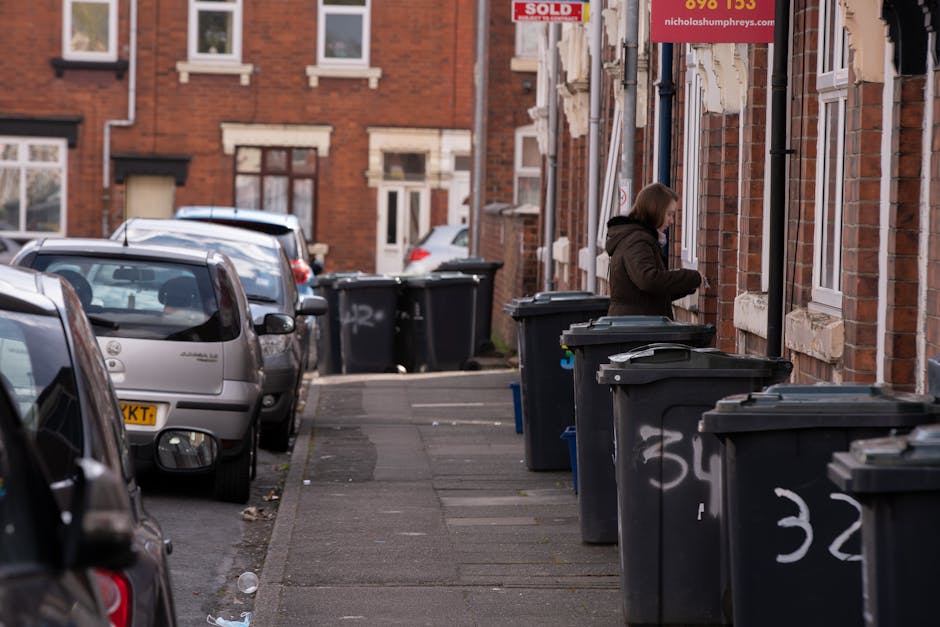
Crofton Park has a very particular rhythm. Roads can be residential, heavily parked, and narrower than people expect until they try to carry a double wardrobe to the pavement. On streets like that, bulky rubbish is not just a disposal issue; it is an access issue, a neighbourly issue, and often a timing issue too.
Why does this matter so much? Because a bulky item left in the wrong place can quickly cause friction. It can obstruct footpaths, create trip hazards, or make it difficult for delivery drivers, pushchairs, mobility users, and emergency access. In a busy London neighbourhood, those small problems get noticed fast.
There is also the practical side. The more awkward the street, the more important it is to think through carrying distance, vehicle size, lifting points, stair turns, and where the item can be placed before collection. Narrow streets tend to punish improvisation. If you have ever tried to rotate a mattress in a tight hallway while somebody else says, "just tilt it a bit", you will know exactly what I mean.
Good bulky rubbish advice helps you avoid guesswork. It saves time, reduces the risk of damage to walls and banisters, and helps you decide whether the job is a quick two-person lift or a more organised clearance. That alone can turn a stressful afternoon into something manageable.
How Crofton Park SE4 bulky rubbish advice for narrow streets Works
At its core, bulky rubbish collection in a narrow-street area works by matching the collection method to the access conditions. That sounds obvious, but in practice it is where most problems start. A service that works well on a broad road can feel clumsy on a terrace street with parked cars and limited turning space.
First, the larger items are identified: sofas, mattresses, wardrobes, fridges, freezers, desks, bed bases, exercise equipment, and similar household waste. Then the route out of the property is assessed. Are there stairs? Is the front path tight? Is the pavement level enough? Is there room to stage items neatly without blocking neighbours? These details matter more than people think.
Next comes vehicle and labour planning. On a narrow street, the right setup may involve a smaller vehicle, a shorter loading stop, or carrying items to a safer handover point. Sometimes the best option is to remove items from inside the property directly and avoid leaving them outside at all. That keeps the pavement clear and reduces the chance of someone else moving or damaging the waste before collection.
For many households, the easiest approach is to bundle the job into one planned visit rather than a series of little attempts. One clear appointment, one route, one set of lifting decisions. Simple, but effective.
If you want to understand the service approach and the company behind it, the homepage gives a useful overview, while the terms and conditions explain the general service framework in plain terms.
Key Benefits and Practical Advantages
Using the right bulky rubbish method in Crofton Park SE4 is not only about convenience. It changes the whole experience.
- Less disruption to the street: items are handled in a way that respects pedestrians, neighbours, and parked vehicles.
- Lower risk of damage: careful planning reduces scuffed walls, chipped plaster, and broken furniture on the way out.
- Faster completion: when access is assessed properly, the job usually runs more efficiently.
- Better safety: narrow hallways and tight stairwells are much safer when the route is thought through in advance.
- Cleaner finish: a proper clearance often leaves the space ready for cleaning, decorating, or letting.
- Less stress for you: honestly, that is a major benefit on its own.
There is also a softer benefit that people often overlook: peace of mind. If you know the items will be removed cleanly and responsibly, you can stop worrying about how long they will sit outside, whether they will get in the way, or whether you will need to keep moving them around. That mental relief counts.
For landlords, estate agents, tenants at the end of a tenancy, or anyone clearing an inherited property, the value is even clearer. Narrow streets can magnify small delays, so a structured approach is usually worth it.
Who This Is For and When It Makes Sense
This advice is useful for a wide range of Crofton Park residents and property owners. If any of the following sounds familiar, you are in the right place.
- Tenants moving out who need to clear bulky items before the final inspection.
- Landlords dealing with abandoned furniture or end-of-tenancy rubbish.
- Homeowners replacing old furniture after redecorating or renovating.
- Families clearing lofts, spare rooms, or garden storage.
- Older residents who need a safe, managed removal rather than heavy lifting.
- Small businesses with office furniture or stock clearance needs.
It makes sense whenever the item is too big for standard household bins, too awkward to move safely without help, or too much for a simple one-person drop-off. If the street is narrow, the threshold for calling in help gets lower. That is just practical common sense.
A quick real-world example: a family clearing a three-seater sofa and two wardrobes from a first-floor flat on a narrow road will often spend more time figuring out parking and stair turns than the actual removal. In that case, planning is not optional. It is the job.
Step-by-Step Guidance
Here is a straightforward way to handle bulky rubbish in a narrow-street setting without making life harder than it needs to be.
1. List everything that needs to go
Walk through the property and write down each item. Be specific. "Old furniture" is too vague. "Two bedside tables, one mattress, one broken office chair, one chest of drawers" is far more useful.
2. Separate bulky waste from reusable items
If an item is still usable, decide whether it should be donated, sold, or kept aside. You do not want good items mixed into the clearance pile by accident. Once the van is on site, there is no time for second-guessing.
3. Measure difficult items and access points
Check the width of doors, landings, hallways, and any tight turns. A sofa that looks manageable in the front room can become a problem at the stairwell. A tape measure is boring, yes, but useful. Surprisingly useful.
4. Decide where items should be staged
In narrow streets, the safest collection point may be inside the property, just inside the front door, or in a controlled area where items can be loaded quickly. Avoid leaving bulky rubbish in places that block the pavement or invite neighbours to trip over it.
5. Check parking and access conditions
Think about where a vehicle can safely stop, whether loading space will be available, and whether there are likely to be obstructions at the time of day you choose. Early morning, mid-afternoon, and evening can feel very different on the same street.
6. Book the right level of help
If the clearance involves stairs, heavy lifting, large quantities, or mixed waste, choose support that matches the scale of the job. A small task can be handled simply. A bigger one usually needs a more organised service.
7. Keep pathways clear on the day
Move small items, pets, loose rugs, and anything fragile out of the route. The aim is to give people space to work safely and quickly.
8. Confirm what happens after collection
Ask how waste will be handled after removal, especially if you have electrical items, mattresses, or mixed furniture. A responsible service should be able to explain the general process clearly. No drama, no waffle.
Expert Tips for Better Results
There are a few habits that make a big difference in narrow-street clearances. Some are simple. Some are the sort of thing you only learn after doing the job a hundred times and thinking, right, should have done that sooner.
Tip 1: Work from the largest item backwards. If the sofa cannot leave the property, the smaller items around it become irrelevant. Tackle the biggest access challenge first.
Tip 2: Protect corners before lifting. A folded blanket, old towel, or temporary corner guard can save you from scraping plaster or paintwork. It is a small detail, but it saves annoyance later.
Tip 3: Keep one clear route and stick to it. People often create multiple "possible" routes. That gets messy. Choose the best one and make it the only one.
Tip 4: Set expectations with neighbours if access is tight. A quick, friendly word can go a long way, especially if a vehicle may need to pause nearby. Most people are reasonable when they know what is happening.
Tip 5: Plan around weather and daylight. Rain makes steps slippery and lifting harder. Early evening can also make narrow side paths feel less forgiving. A little daylight helps more than people admit.
Tip 6: Keep mixed waste separate where possible. It is easier to manage wood, metal, soft furnishings, and electrical items when they are not all tangled together. Less sorting, less faff.
If you are dealing with a sentimental clear-out, give yourself a bit of space. Clearing a room after years of use is not just physical work. It can bring up memories. Truth be told, that part is sometimes heavier than the lifting.
Common Mistakes to Avoid
Narrow streets expose bad planning very quickly. Here are the mistakes that most often cause trouble.
- Leaving everything until the last minute: rushed clearances almost always feel harder than they should.
- Underestimating item size: the hallway is where optimism goes to die, as they say, at least a little bit.
- Blocking shared access: bags, chairs, and broken pieces left on pavements can annoy neighbours and create hazards.
- Ignoring lifting risks: awkward weight distribution, stairs, and tight bends can lead to strain or damage.
- Mixing rubbish types without thinking: this can complicate removal and slow the job down.
- Not checking service terms: you want clarity on what is included, what is not, and any site constraints before the visit.
One frequent issue is assuming that a tiny street means a tiny job. Not really. Narrow access often makes a normal-sized clearance feel twice as involved. Better to plan for that upfront than to discover it while carrying a wardrobe half-way down the stairs.
Tools, Resources and Recommendations
You do not need a warehouse of equipment to manage bulky waste well. A few sensible tools and habits go a long way.
| Tool or Resource | Why It Helps | Best Used For |
|---|---|---|
| Measuring tape | Confirms whether items can pass through doors, halls, and stair turns | Large furniture, awkward appliances |
| Strong gloves | Protects hands from splinters, sharp edges, and grime | General lifting and sorting |
| Furniture blankets or covers | Reduces scuffs and wall damage during moving | Sofas, wardrobes, cabinets |
| Trolley or sack barrow | Makes heavy items easier to move where space allows | Boxes, small appliances, loose items |
| Labels or tape | Helps separate keep, donate, recycle, and remove piles | Households with mixed contents |
| Clear bags | Makes smaller waste visible and easier to sort | General tidy-up alongside bulky items |
For a service-based recommendation, choose a team that is transparent about process, access needs, and what happens if the street is tighter than expected. That kind of openness matters more than polished sales talk. If you want to understand how the business presents itself and what you can expect, the main site is a sensible place to start, while the privacy policy is there for anyone checking how their information is handled.
Recommendation-wise, keep your preparation simple: measure, sort, clear the route, and communicate any access issues early. Those four things solve more problems than fancy equipment ever will.
Law, Compliance, Standards, or Best Practice
In the UK, bulky rubbish should be handled responsibly. You do not need to turn into a legal expert to do the right thing, but you do need to avoid fly-tipping, unsafe storage, and careless placement in shared areas. That applies whether the waste comes from a house, a flat, a rental property, or a small business.
Best practice is simple: make sure waste is removed by a responsible route, keep access safe, and do not leave bulky items where they can obstruct the public or cause nuisance. If there are electricals, mattresses, or mixed materials, it is worth asking how they will be processed. A good operator should be able to explain the general handling without overcomplicating it.
For properties with shared entrances, take extra care. Communal hallways and front paths can become pinch points quickly. If you live in a terrace or converted flat, avoid assuming the waste can just sit there for a bit. "Just for a minute" has a funny way of becoming the entire afternoon.
It is also wise to check any property-specific rules, lease terms, or local access restrictions that may affect timing and placement. This is especially useful in narrow Crofton Park streets where parking and footway use need a bit more thought than average.
If you are ever unsure, ask before the job starts. Clarity upfront is cheaper than a rushed fix later.
Options, Methods, or Comparison Table
There is more than one way to clear bulky rubbish in Crofton Park SE4. The right method depends on access, volume, urgency, and how much lifting you want to deal with yourself.
| Method | Best For | Strengths | Limitations |
|---|---|---|---|
| DIY removal | Small amounts and easy access | Can be cheaper if you already have transport | Time-consuming, heavy lifting, parking and disposal hassle |
| Skip hire | Larger renovation waste with enough space to place a skip | Good for ongoing projects | Can be awkward or impractical on narrow streets |
| Bulky waste collection | Typical household furniture and mixed items | Less lifting for you, often quicker and cleaner | Needs access planning and timing |
| Full house clearance | Whole-property clear-outs, probate, tenancy changes | Handles large and mixed loads in one go | More involved, may need careful scheduling |
For many Crofton Park streets, bulky waste collection or a full clearance service is the most sensible choice because it reduces the problem of finding space for storage, loading, and manoeuvring. Skip hire can work, but narrow roads and parking pressure often make it less convenient than people expect. A half-hidden skip on a tight road can become a local obstacle course. Nobody wants that.
The right answer is not always the cheapest-looking option. It is the one that fits the street, the property, and your time.
Case Study or Real-World Example
Imagine a first-floor flat on a narrow Crofton Park street. The occupants are moving out and need to remove a bed base, two mattresses, a wardrobe, a desk, and a handful of broken household items. The road is lined with parked cars, the front path is narrow, and the stairwell turns sharply near the landing.
The first temptation might be to drag everything outside and deal with it later. But that would create a blockage on the pavement and probably make the route harder, not easier. Instead, the better approach is to break the job into stages:
- Measure the wardrobe and decide whether it can be disassembled.
- Clear the hallway before moving anything heavy.
- Keep mattresses wrapped or protected for easier handling.
- Use the safest exit route and stage items just inside the door.
- Load quickly once the vehicle is in position, with no unnecessary waiting.
That kind of method keeps the job calm. Not glamorous, perhaps, but effective. And in a narrow street, effective is what you want.
In a similar real-world situation, the main difference between a smooth removal and a stressful one was simply preparation. The team knew which items would need disassembly, had already checked the route, and kept the collection point clear. The result was a tidy exit and no awkward neighbour conversations. Which, if we are honest, is a quiet success.
Practical Checklist
Use this checklist before your bulky rubbish collection or clearance in Crofton Park SE4.
- Identify every bulky item that needs removing.
- Separate reusable items from true waste.
- Measure large furniture and tight access points.
- Check stairs, landings, and door widths.
- Clear the route from the item to the exit.
- Confirm where items can be staged safely.
- Think about parking and street access on the day.
- Tell neighbours if access may be briefly affected.
- Keep fragile objects and loose rugs out of the way.
- Ask how mixed waste and electrical items will be handled.
- Review any property rules, lease rules, or site constraints.
- Plan a little extra time if the street is especially tight.
Practical summary: the cleaner the route and the clearer the plan, the easier the job becomes. In narrow streets, preparation is not a nice extra. It is the thing that makes everything else work.
Before you go any further, if you want to speak to a local team directly, the contact page is the best place to make that first move. It is often the simplest step, and sometimes the simplest step is the best one.
Get a free quote today and see how much you can save.
Conclusion
Crofton Park SE4 bulky rubbish advice for narrow streets comes down to one thing: do not treat access as an afterthought. The size of the item matters, of course, but so does the shape of the street, the layout of the building, the timing of the collection, and the people who live nearby. When those pieces are handled properly, bulky rubbish stops feeling like a headache and starts feeling like a manageable task.
If you plan carefully, keep the route clear, and choose the removal method that fits the property rather than forcing the property to fit the method, you will usually get a better result with less stress. That is the sort of practical win that makes a real difference in everyday London life.
And once the room is empty and the hallway sounds a little less crowded, you can finally hear the place breathe again. That's a good feeling.
Frequently Asked Questions
What counts as bulky rubbish in Crofton Park SE4?
Bulky rubbish usually means large household items that do not fit into normal bins, such as sofas, mattresses, wardrobes, tables, chairs, white goods, and other oversized waste. If you would struggle to carry it out by hand or it needs more than basic bin collection, it probably counts as bulky.
Why are narrow streets a problem for bulky rubbish removal?
Narrow streets make parking, loading, and pedestrian safety harder. They can limit vehicle access and make it difficult to place items outside without blocking pavements or upsetting neighbours. That is why planning matters more in Crofton Park than on wider roads.
Should I leave bulky items on the pavement before collection?
Only if you are sure that doing so is safe and appropriate for the situation. In many cases, it is better to keep items inside or just inside the property until collection time. Leaving things out too early can create obstructions or attract unwanted attention.
What is the easiest way to prepare for a bulky waste collection?
List the items, clear a route, measure anything awkward, and decide where each item will be staged. If possible, separate reusable items from waste before the collection day. Simple preparation usually saves the most time.
Can bulky rubbish be removed from a flat on an upper floor?
Yes, but upper-floor access makes the job more complex. Stairs, landings, and tight corners need to be checked in advance. In some cases, items may need to be dismantled before removal, especially if the street is narrow too.
Is skip hire a good option for narrow streets?
Sometimes, but not always. Skip hire can work for larger projects, yet it may be awkward on narrow residential roads because of parking pressure and limited space. For many SE4 properties, a collection or clearance service is more practical.
How can I avoid damaging walls and bannisters during removal?
Protect corners, use blankets or covers where needed, and keep one clear route. Slow, controlled movement is better than forcing a large item through a tight gap. It sounds obvious, but in the moment, people often rush.
What should I do with electrical items like fridges or TVs?
Ask how they will be handled as part of the clearance. Electrical items often need separate attention from general furniture, so it is sensible to mention them early. That avoids confusion later and helps the job run smoothly.
How far in advance should I plan a bulky rubbish collection?
As early as you can, especially if access is tight or you have several items to remove. Narrow streets, stair access, and parking availability can all affect timing. A bit of notice usually makes everything less stressful.
What if my neighbour's car blocks access on the day?
It happens. Narrow streets are dynamic, and parking can change quickly. If access looks tight, let the service know as early as possible so a workable plan can be adjusted. Good communication usually solves more than people expect.
Is a full house clearance better than individual bulky item removal?
If you only have one or two items, individual removal may be enough. If you are clearing multiple rooms, dealing with mixed contents, or moving out of a property, a full clearance is often more efficient. It depends on the scale of the job, not just the item count.
Where can I learn more about the company and service details?
You can read the about us page for background, review the terms and conditions for service expectations, or check the privacy policy if you want reassurance about your details. Sometimes that extra clarity is exactly what people need before they book.
What is the best next step if I am unsure what service I need?
Start by making a simple list of what needs removing and note anything awkward about the access. Then speak to a local team and explain the street layout as clearly as you can. That first conversation usually makes the right solution obvious. And honestly, that bit is often the hardest part.